Kenya Update: 700+ Students on Track to Graduate

Samburu County faces one of the highest poverty rates in Kenya, with 76% of the population living below the poverty line. Parents often lack the financial capacity to provide necessities like food, uniforms, sanitary towels, or school fees, directly threatening girls’ education.
- 50% of girls aged 6 – 17 are out of school in Samburu County.
- Cultural barriers to gender inequality hinder girls’ access to education i.e child marriage(32% – often affecting girls of 9 or 10 years old), teenage pregnancies (50%) and FGM (75.65%)
- For boys, herding responsibilities continue to impede their access to education with boys of school age being radicalized. Enlisting boys and men as allies is a necessary step to encouraging positive social change.
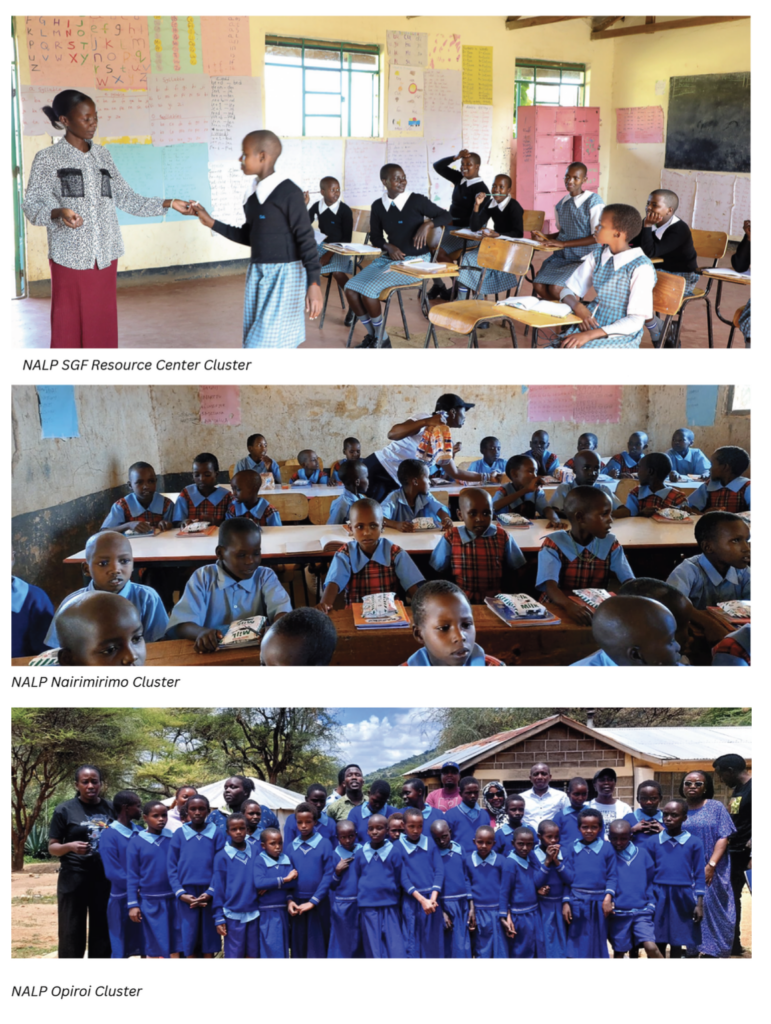
In January and February 2026, our team in Samburu County kept more than 700 students in school and on track to transition into mainstream schools this June. The following report comes from Mercy Wanderi, our Programs Manager in Kenya, who coordinates 22 Accelerated Learning Clusters across Samburu County.
Field Notes from Mercy Wanderi, Programs Manager
In January and February 2026, the following were the major accomplishments:
- Monitoring and tracking of students in 22 Accelerated Learning Clusters across Samburu County. Teachers provided daily feedback on WhatsApp. Teachers who could not be connected to the internet were contacted through phone calls and text messages.
- Collaborative meetings with Accelerated Learning teachers in the county. This provided a platform for teachers to share their views and challenges.
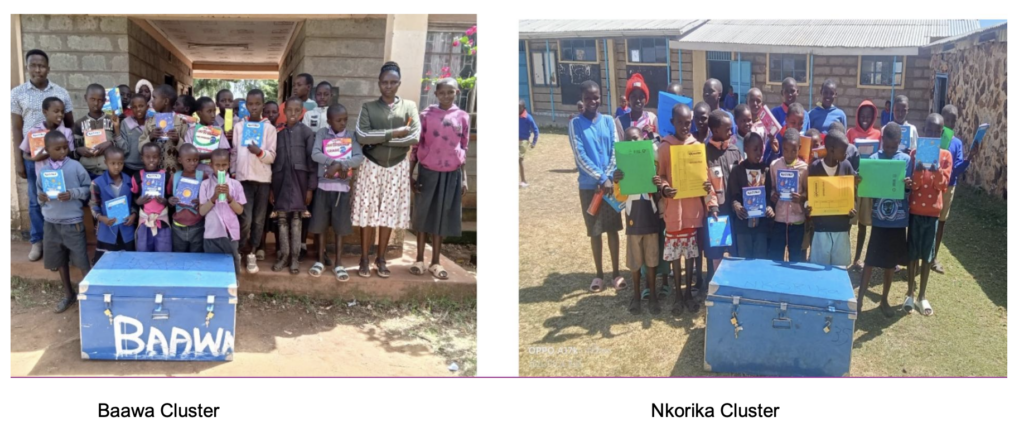
- Learning materials distribution, reaching 181 students.
- Birth certificate registration for participants. Many did not have birth certificates and would not have been eligible to enroll in school or participate in mainstream life.
- New Year school reopening facilitation. Different departments worked jointly to ensure back-to-school requirements were met on time and students transitioned to their next level of studies.
- Parent Engagement Meetings in Samburu North and Samburu East clusters. These meetings gave us direct feedback from parents to help improve the program, and encouraged ongoing parental involvement in their children’s education

- Managed staff transitions following the exit of seven staff members, necessary due to a significant funding loss earlier this year.
- 100 Global Days Campaign on Ending Child Marriage: community engagement sessions with young men and women from Ngano village.
- The young men were open in sharing their perspectives, emphasizing that the practice of giving girls to older men is harmful and unfair. Several recounted personal experiences where their sisters were married off but later returned home due to neglect or abandonment. They acknowledged that fathers were often the drivers of the practice and committed to forming a youth group in Ngano to advocate against child marriage. They also proposed joint meetings with young women to strengthen collaboration and build a united front against harmful traditions.
- The engagement with young women focused on harmful practices, agency building, and community advocacy. Women shared personal experiences of being married early, dropping out of school, and undergoing FGM, highlighting the long-term health, educational, and economic impacts. They emphasized the need to educate men, particularly on financial literacy, to reduce economic drivers of child marriage. The women committed to advocating within their families and communities, mentoring younger girls, and actively speaking against child marriage and FGM to protect future generations.

Overall, our local team showed their grit, commitment, and readiness to continue operating this project and supporting students, despite limited resources and requisite cuts in staff following a significant funding loss earlier this year.